Seminars offered in Indian River County and Brevard
County. See dates and times
Obesity is at epidemic levels throughout America. It is estimated by the Florida Department of Health that 57% of Floridians are either overweight or obese. It is also widely recognized that obesity is associated with a number of serious diseases such as type II diabetes, hypertension, sleep apnea, osteoarthritis, infertility and elevated levels of cholesterol and triglycerides. Obesity is the leading cause of preventable death after lung cancer in the US.
Riverside Surgical and Weight Loss Center was established over 2 years ago with the vision of helping people realize their goals of significant and lasting weight reduction through minimally invasive bariatric surgery. We are proud to offer a full array of the latest and safest medical technology in bringing about weight reduction. As a board certified surgeon, specializing in bariatrics, Dr. Domkowski is privileged to offer both primary surgery for weight reduction as well as conversion and revisional surgery for patients that have already had a weight loss procedure and would like it converted to another type of operation. For example, someone that has had a gastric bypass and experienced weight regain, then they may be a candidate to have a laparoscopic adjustable gastric band placed on their gastric pouch. Dr. Domkowski is committed to keeping up with the latest advances in bariatric surgery and attends several meetings annually. He does this not only to keep up with the more current information, but also so that the latest technology can be offered to his patients. He recently attended the 3rd annual International Laparoscopic Sleeve Gastrectomy Summit in New York.
The Lap-Band surgery has been available worldwide for nearly 20 years and is a safe and effective weight loss operation. It has gained in popularity over the past decade in the United States. It consists of implanting a small silastic inflatable band around the upper portion of the stomach. The band is inflated with saline to create a restriction, thus creating a small pouch. This pouch has the capacity of 4-5 ounces; therefore, after eating a small amount of food, one has a feeling of restriction and fullness. Weight loss in the first year following the surgery ranges between 30-45% of excess body weight and can increase to 50% during the second year. The surgery is performed through five small (1-2cm) incisions. People undergoing the surgery can usually go home the same day and occasional need to stay in the hospital one night. If you have sleep apnea and use a CPAP machine we often will have you stay one night in the hospital. Usually people can return to work within 1 week. If you have a more physical job involving lifting or climbing, then you may need 2-3 weeks to make a full recovery. We do our first adjustment 3 weeks following your surgery. After you start to feel restriction of your band, you can expect to lose 6-10 a month. While that does not seem like much, remember that over a years time that is 70-120 lbs! The band is meant to stay in long term. You can keep it as long as you like. The majority of those undergoing lap band surgery come to love their bands. People become very possessive of their band because it becomes the manner in which they control their food intake and therefore their appetite.
Major Benefits:
• Least invasive surgical option
• Often performed as an outpatient
• Allows individualized degree of restriction for ideal rate of weight-loss
• Adjustments performed without additional surgery
• Reversible at any time through removal of the band
• No intestinal re-routing, cutting or stapling of the stomach wall or bowel
• Small incisions and minimal scarring
• Reduced patient pain, length of hospital stay and recovery period
• Low risk of nutritional deficiencies associated with other surgeries like gastric bypass
• Supports pregnancy by allowing stomach outlet size to be opened to accommodate increased nutritional needs
• Stomach and other anatomy can be restored to their original forms and functions if desired
• Quick return to normal lifestyle and work
• A surgical option designed to help maintain long-term weight loss
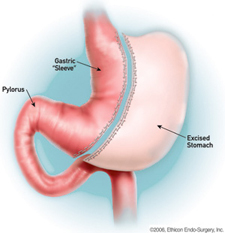
Another highly effective weight loss surgery is the laparoscopic sleeve gastrectomy, (LSG) also known as the vertical sleeve gastrectomy. Through five small incisions (between 0.5 and 1 inch) 85% of the stomach is removed. This transforms your stomach into a long tube or a "sleeve" similar to your shirt sleeve. The new stomach has a total capacity between 90 and 120 ml's. People undergoing the laparoscopic sleeve gastrectomy eat a small amount of food (1-3 ounces) and they are full or satisfied.
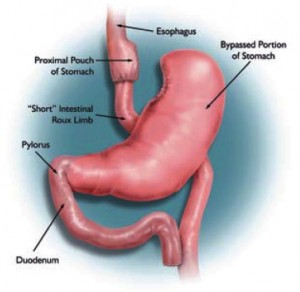
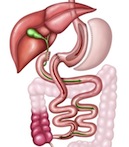
The laparoscopic sleeve gastrectomy is superior to the gastric bypass for several reasons. First, unlike the gastric bypass, the course or flow of food through the gastrointestinal tract is not altered. Therefore there is no dumping syndrome and the risks of nutritional deficiencies are minimal. Secondly, Ghrelin, the hunger hormone, is removed during the surgery when the outer portion of the stomach is removed. When Ghrelin levels are reduced the desire to eat is significantly diminished. Ghrelin levels have been found to be reduced 5 years following laparoscopic sleeve gastrectomy. In comparison, Ghrelin levels are not decreased in either the short or long term with the gastric bypass. Also the long term risks of gastric ulcers and internal hernias is eliminated with the sleeve, where they remain long term risks with gastric bypass patients. It is increasingly becoming evident that preservation of the pyloric valve is critical to the emptying of the stomach and therefore long term weight loss. The pyloric valve does not function in this manner any longer in people undergoing the gastric bypass. It continues to function normally in patients receiving the sleeve gastrectomy.
Data recently presented at the International Sleeve Gastrectomy Summit, that Dr. Domkowski attended, demonstrate the the weight loss with the laparoscopic sleeve gastrectomy is significant (60-70 of excess weight gone at 2 yrs) and is maintained long term, 60-70 maintenance at 6 yrs following surgery.
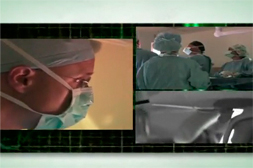
There is a live video of Dr Domkowski performing this surgery at SRMC at the top of this page.